Balancing Performance and Efficiency in Tomorrow’s Automotive Industry
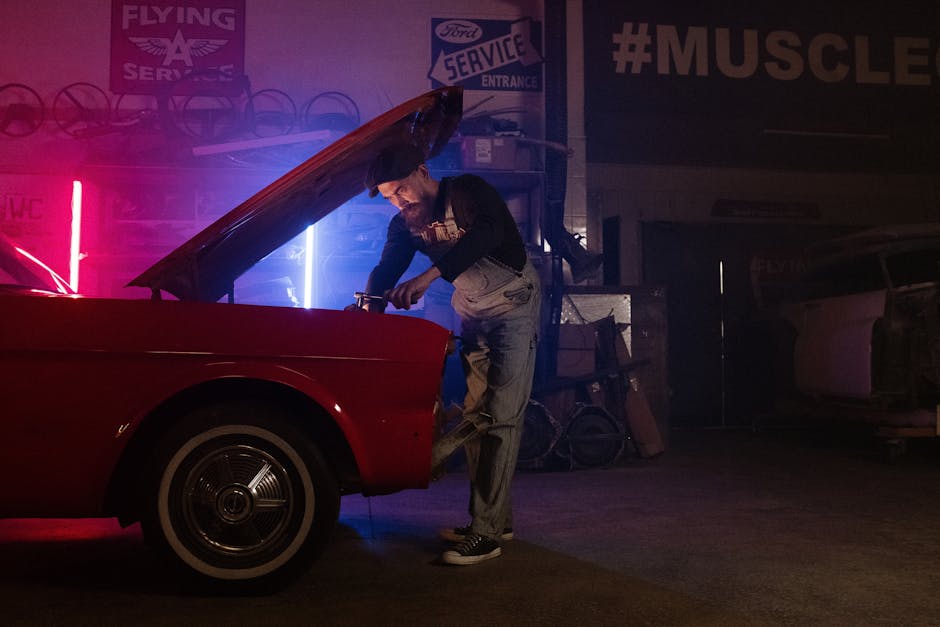
For more than a century, the automotive industry has been driven by a familiar tension: power versus efficiency. Bigger engines delivered speed and status, while fuel economy was often treated as a compromise.

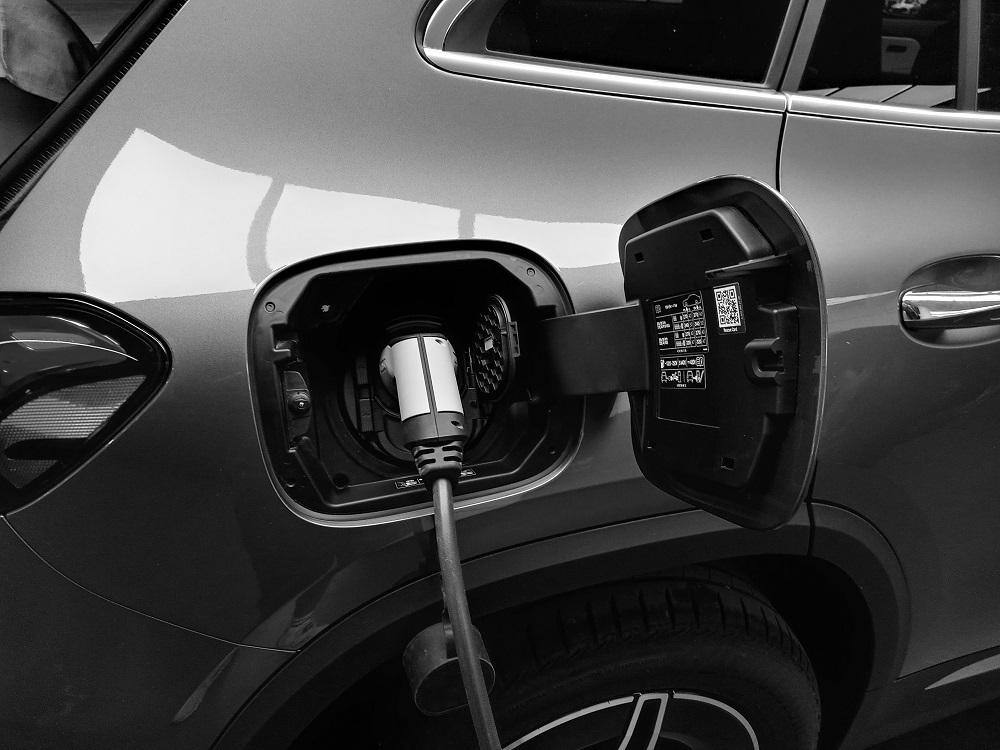
For more than a century, the automotive industry has been driven by a familiar tension: power versus efficiency. Bigger engines delivered speed and status, while fuel economy was often treated as a compromise. Today, that trade-off is being fundamentally redefined.
As technology accelerates and environmental pressures mount, the future of mobility is no longer about choosing between performance and efficiency—but about integrating both.
Redefining What Performance Means
Performance has traditionally been measured in horsepower, acceleration times, and top speed. While those metrics still matter, they no longer tell the full story.
In tomorrow’s automotive landscape, performance will also be defined by responsiveness, smoothness, intelligence, and adaptability. Instant torque from electric drivetrains, advanced traction control systems, and software-optimized power delivery are shifting focus away from raw output toward controlled, usable performance.
A fast car is no longer impressive if it isn’t smart.
Efficiency as a Design Philosophy
Efficiency has moved beyond fuel consumption. It now influences every stage of vehicle design—from materials and aerodynamics to software and manufacturing.
Lightweight composites, modular platforms, and improved battery chemistry allow vehicles to travel farther while using fewer resources. At the same time, digital simulations and AI-assisted design reduce waste long before a car reaches the production line.
Efficiency is no longer an afterthought. It’s a guiding principle.
The Role of Electrification
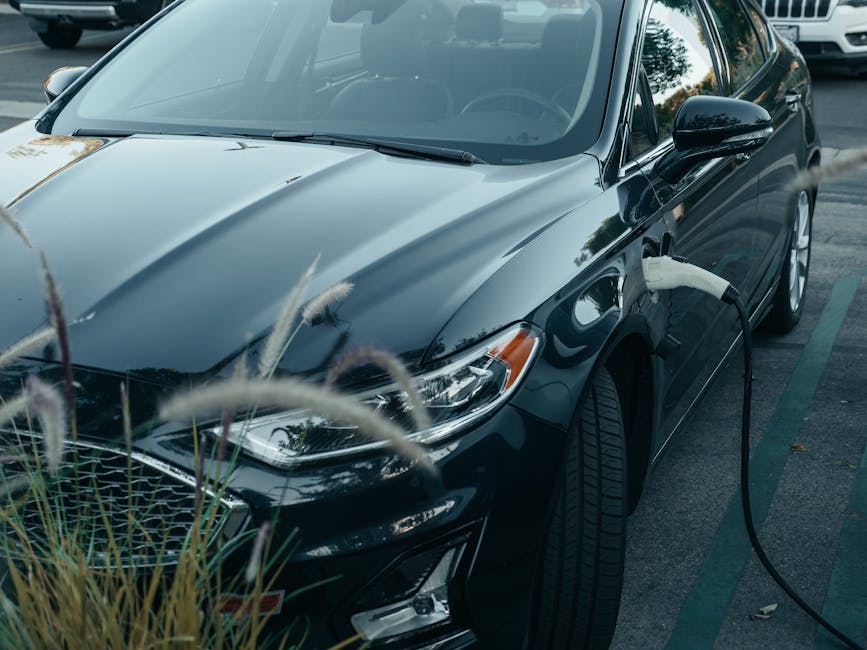
Electric vehicles have reshaped the performance-efficiency equation entirely.
Without traditional engines, EVs deliver immediate acceleration while operating with significantly higher energy efficiency. This has forced manufacturers to rethink how they differentiate vehicles—not by engine size, but by software tuning, battery management, and driving experience.
Hybrid systems, meanwhile, offer a transitional path—combining electric efficiency with combustion flexibility, especially in markets where infrastructure is still evolving.
Software Is Becoming the New Engine
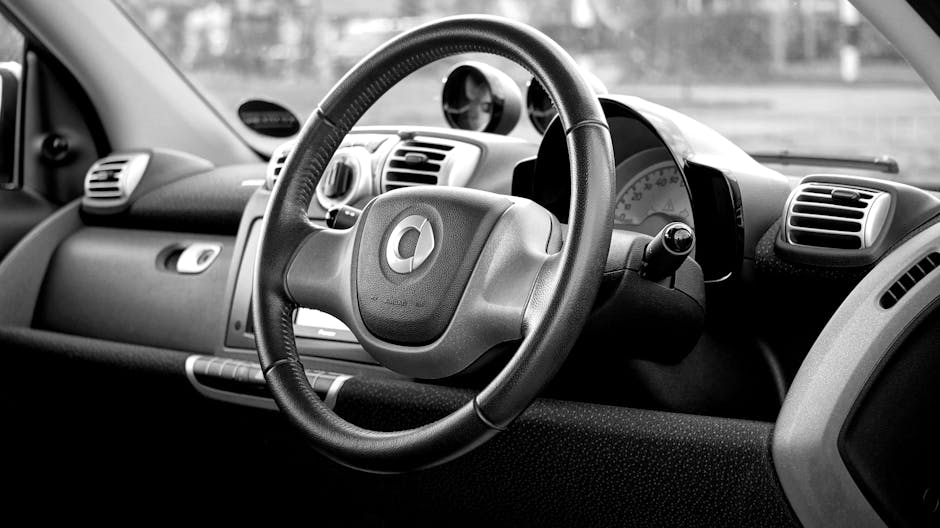
In modern vehicles, software plays a role once reserved for mechanical engineering.
Over-the-air updates can improve performance long after purchase. Adaptive driving modes adjust efficiency in real time. Predictive systems analyze routes, traffic, and driving habits to optimize energy use.
As cars become increasingly software-defined, performance gains won’t always come from new hardware—but from better code.
Sustainability Without Sacrificing Emotion
One of the industry’s greatest challenges is maintaining emotional appeal while reducing environmental impact.
Designers and engineers are finding new ways to create excitement through sound design, dynamic lighting, and tactile feedback. Driving engagement is being reimagined—not lost—as vehicles become quieter and cleaner.
The goal isn’t to eliminate passion from driving, but to express it differently.
Infrastructure and the Bigger Picture
Balancing performance and efficiency doesn’t stop at the vehicle itself.
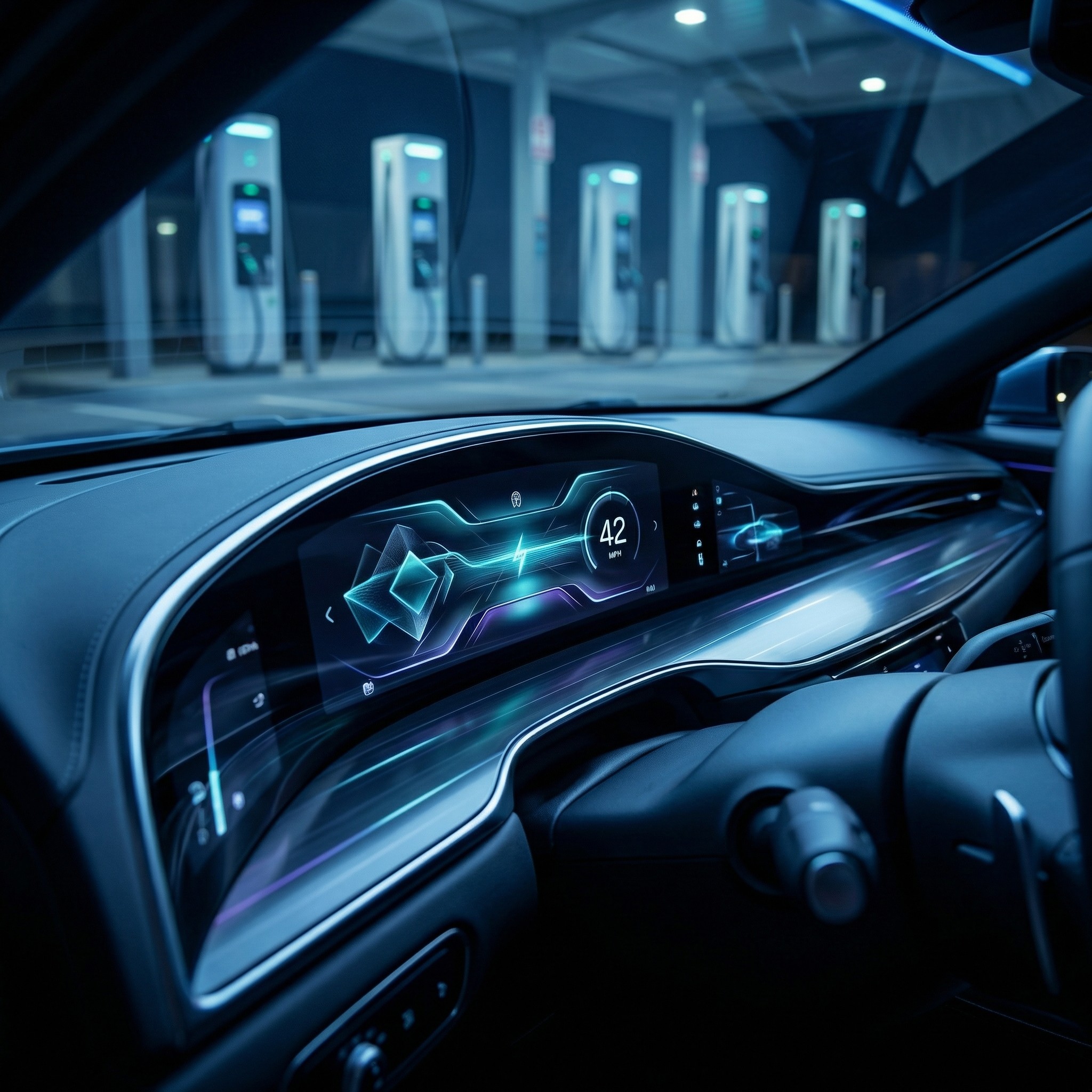
Charging networks, smart grids, and urban planning will play a critical role in how cars are used and perceived. Vehicles that communicate with infrastructure can optimize energy use, reduce congestion, and improve overall system efficiency.
The future of automotive performance is increasingly collective, not individual.
A New Standard for Mobility
Tomorrow’s automotive leaders won’t be those who choose speed over responsibility or efficiency over excitement. They’ll be the ones who prove the two can coexist.
As technology matures and expectations evolve, the industry is moving toward a new standard—one where performance feels effortless, efficiency feels natural, and progress feels sustainable.
The road ahead isn’t about compromise. It’s about balance.
Os melhores especialistas do mercado


Newsletter
Mantenha-se atualizado com as maiores novidades e tendências.
Assine nossa newsletter e seja o primeiro a ter acesso a conteúdos exclusivos e insights especializados.
Destaques

- Parceria Paga -

Clique em "veja mais" e descubra o quanto você pode economizar.

Related Post

on
5 de mar. de 2026
Com juros elevados no Brasil, financiamento pesa mais no bolso e muda o perfil de compra de carros em 2026.

on
5 de mar. de 2026
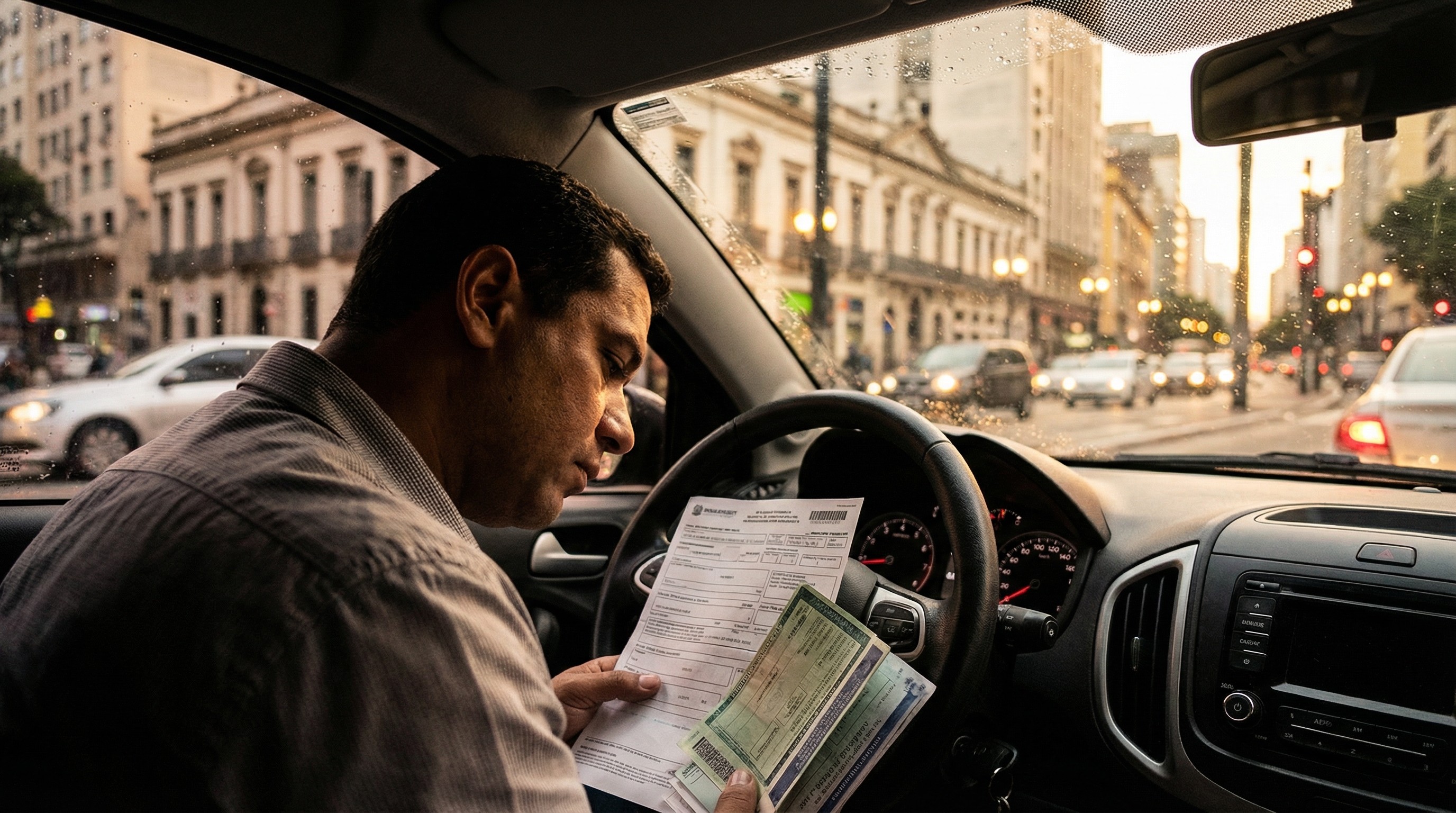
Motoristas começam a pagar a segunda parcela do IPVA 2026 em março. Veja como o imposto impacta o orçamento de quem tem carro.